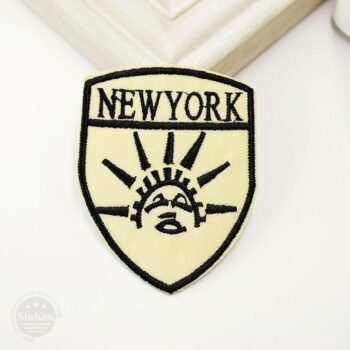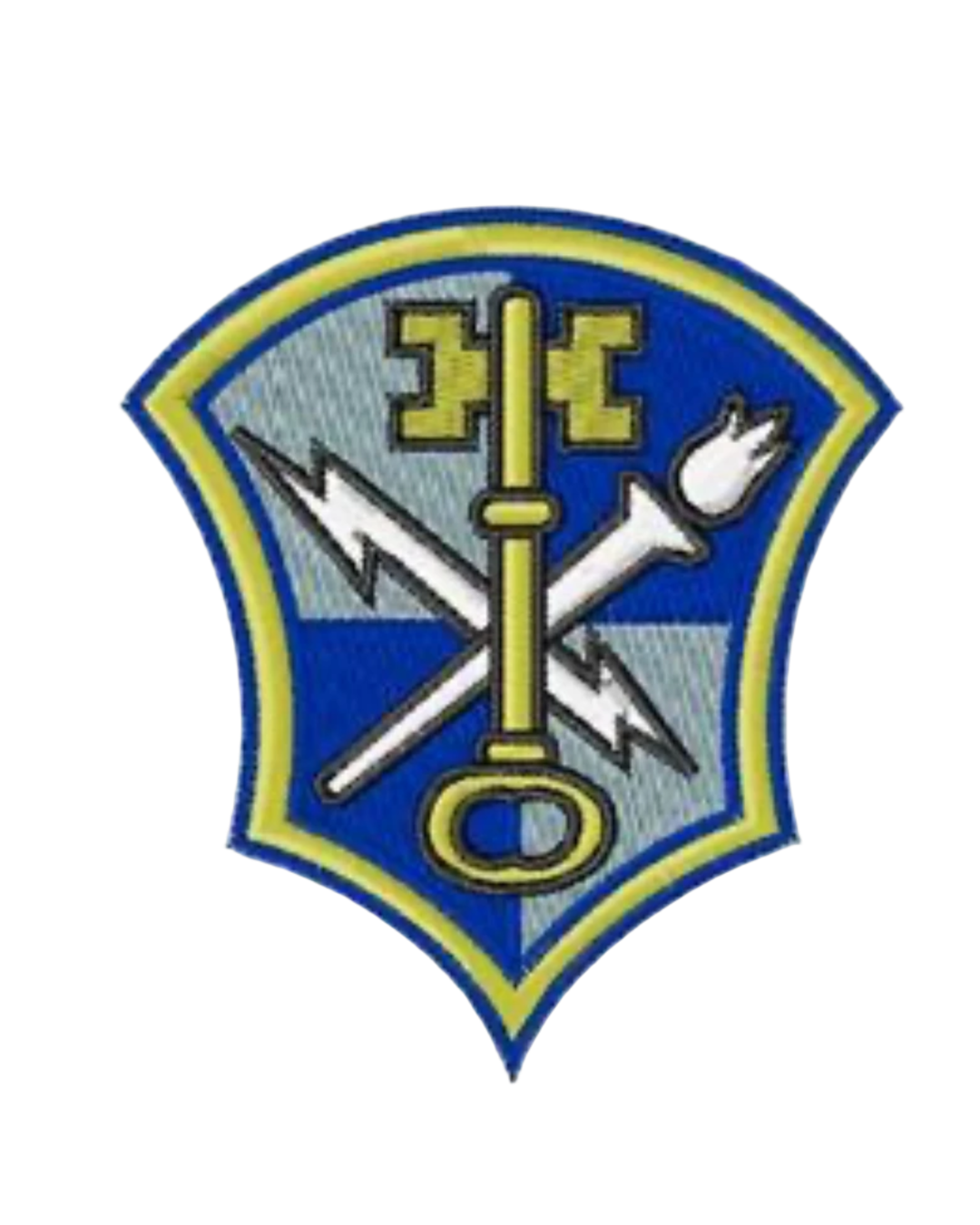

Description
In recent years, military inspired fashion has seen a significant resurgence, with army patches taking center stage as a popular accessory. These patches not only serve as a stylish addition to clothing but also carry a deeper significance and connection to military heritage. This article explores the history, uses, and cultural impact of army iron-on patches, illustrating how they have evolved from practical items into fashionable statements.
The tradition of using patches in the military dates back centuries. Originally designed to signify rank, unit, or achievements, patches allowed for quick visual identification of soldiers’ affiliations and accomplishments. The embroidery techniques used in these patches were often intricate, showcasing the artistry and pride associated with military service.
During the 20th century, particularly in the wake of World War I and II, the importance and presence of military patches grew. Veterans returning home often wore their uniforms with pride, adorned with patches that told their stories. The introduction of iron-on patches simplified the application process, making it easier for individuals to personalize their attire with meaningful symbols.
As society has become more casual, the way we express individuality through clothing has also transformed. Iron-on patches have emerged as a popular trend among fashion enthusiasts, allowing wearers to customize jackets, bags, and hats with unique designs.
One of the most appealing aspects of army iron-on patches is their versatility. They can be applied to a variety of fabrics, including denim, canvas, and even leather. This adaptability means that stylish jackets, backpacks, and caps can be easily adorned with military-inspired designs, creating a unique look that reflects personal style.
Beyond their aesthetic appeal, army iron-on patches often carry significant meaning. For veterans and active service members, wearing these patches can evoke a sense of pride and connection to their military service. They serve as reminders of camaraderie, sacrifice, and the values instilled through military training. Furthermore, for many civilians, sporting army patches is a way to show respect for the armed forces and commemorate their contributions.
In recent years, the influence of social media has propelled the trend of wearing army patches to new heights. Influencers and celebrities have adopted the look, showcasing customized outfits that prominently feature patches, thus popularizing this fashion statement even further. Events such as music festivals and street art exhibitions have also embraced military aesthetics, contributing to the ongoing interest in army iron-on patches.
The rise of DIY culture has sparked a movement among hobbyists who enjoy creating personalized clothing. Many enthusiasts share their patching projects on platforms like Instagram and Pinterest, bringing together a community of like-minded individuals. Forums and online workshops have emerged, providing resources for those interested in learning how to apply and design their own iron-on patches.
Army patches encapsulate a unique blend of history, fashion, and personal expression. They have evolved from their utilitarian roots in the military to a widespread cultural phenomenon, allowing people to connect with and honor military heritage while showcasing their individuality. Whether worn as a tribute to those who serve or as a stylish statement, army iron-on patches continue to thrive, proving that fashion can indeed carry meaning.
- 2.6″
- iron-on
- embroidery